Buying a Smaller Home in Granada Hills: What to Look for When You Downsize
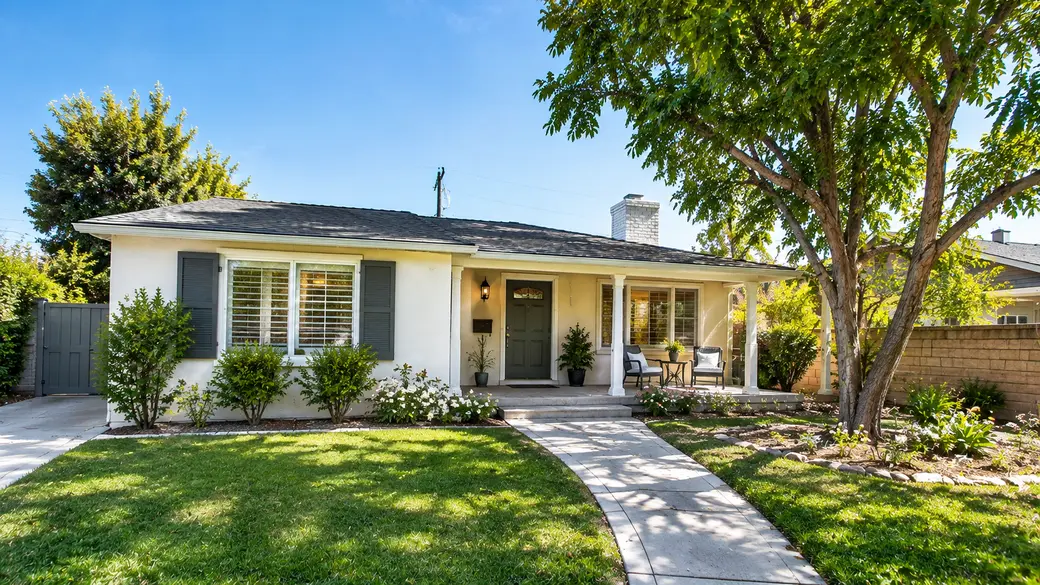
Buying a smaller home in Granada Hills, a neighborhood in the San Fernando Valley region of Los Angeles, works best when the layout supports your daily routine, storage needs, and long-term comfort. The right smaller home feels comfortable, not cramped, when the space serves the activities and belongings that matter most.
Downsizing is about more than reducing square footage. It can be an opportunity to trade unused rooms, demanding upkeep, or difficult stairs for a home that better fits the way you live now. Before touring homes, make a short list of the spaces you use each week, the items you want to keep, and the features that would make everyday life easier.
Choose the Right Home Type
The right home type is the one that balances privacy, maintenance responsibilities, and flexibility for your next stage of life. A smaller single-family home may provide a private yard and more control over exterior changes, while a townhome or condo can reduce some exterior upkeep and support a lock-and-leave routine.
Patio homes may also appeal to buyers who want a compact footprint with nearby amenities. No option is automatically best for every downsizer. The more useful question is how you want to spend your time after moving.
As you compare homes currently available in the neighborhood, consider:
- Exterior maintenance responsibilities
- Parking, garage, and storage arrangements
- Shared walls and potential noise
- Outdoor space you will use regularly
- Monthly ownership costs beyond the purchase price
- Community rules affecting pets, guests, parking, or renovations
In Granada Hills, look closely at the path from the street and driveway to the front door. Sloped approaches, exterior stairs, hillside lots, drainage paths, retaining walls, and larger yards can affect both daily convenience and maintenance needs. A compact home with an easy entry and manageable exterior may provide more comfort than a larger property with features that require regular attention.
A home that looks smaller on paper can feel more livable than a larger one when each room has a clear purpose and the layout is easy to move through.
Features That Matter Most
The most useful downsizing features are practical ones, including single-level living, functional storage, open layouts, and low-maintenance yards. These details can help a smaller home feel organized rather than restrictive.
Look closely at where everyday items will go. Hall closets, pantry space, linen storage, garage cabinets, and bedroom closets can matter as much as total square footage. An open layout may make a home feel brighter and more connected, but it should still offer enough wall space, quiet corners, and separation for the way you live.
A low-maintenance yard can be another real benefit. Consider whether you want space for gardening, pets, outdoor meals, or visiting family, then choose an exterior area that supports those priorities without adding more upkeep than you want. Granada Hills properties can differ substantially in lot configuration, mature landscaping, and slope, so walk the entire outdoor area rather than judging maintenance needs from the kitchen window.
Before making an offer, bring a simple measurement list for key furniture. Confirming that your dining table, favorite sofa, bedroom set, and storage pieces fit can prevent difficult decisions after moving day.
Planning for the Long Term
A long-term downsizing home should make everyday movement easier now while leaving room for changing needs later. Features such as wider doorways, walk-in showers, a first-floor primary suite, and minimal steps can improve comfort without making a home feel institutional.
Pay attention to the route from the driveway to the front door, the location of the laundry area, and whether the primary bedroom and a full bathroom are on the main living level. Small details, including lever-style handles, strong lighting, accessible storage, and well-placed outlets, can reduce daily friction.
You do not need to predict every future need. Instead, choose a home that gives you options. A flexible room near the main living area may work as an office today and serve a different purpose later. A layout that supports ordinary routines is generally more valuable than one that depends on passing through unused space.
HOA Communities
HOA communities can simplify certain responsibilities, but buyers should understand both the fees and the rules before committing. Association dues may cover landscaping, exterior upkeep, common-area maintenance, insurance for shared elements, or amenities, depending on the community.
The important question is whether an HOA's costs and requirements match your lifestyle, rather than whether HOAs are good or bad in general. Review the governing documents, current budget, reserve information, meeting notes, and rules that matter to you. The California Department of Real Estate's consumer resources include information about living in a common-interest development.
Ask about restrictions involving:
- Guest parking and overnight visitors
- Pets and pet limits
- Exterior changes and landscaping
- Rental policies
- Move-in procedures
- Use of patios, balconies, or shared amenities
A well-run community can offer convenience, while rules that do not fit your plans can become frustrating. Take time to understand the commitment before deciding whether lower-maintenance living is the right fit.
Space for Guests and Hobbies
A smaller home can still accommodate guests and hobbies when rooms serve more than one purpose. A flex room, den, loft, or secondary bedroom can provide useful space without requiring a larger house.
Think about the activities that are most important to preserve. If family visits often, a comfortable guest room or adaptable sleeping space may matter more than a formal dining room. If you enjoy crafting, working from home, fitness, or collecting items, look for storage and work surfaces that make those routines easier to maintain.
Built-in shelving, adjustable closet systems, and multipurpose furniture can help a compact home work harder. The goal is to preserve the parts of your lifestyle that bring the most enjoyment, rather than to recreate every room from your current house.
Financing Your Next Home
Cash from a sale may help fund a smaller home, but the right financing approach depends on your equity, timing, and overall monthly budget. Some downsizers prefer to put sale proceeds toward a substantial down payment, while others choose to keep more funds available for moving, furnishings, or long-term savings.
Start by estimating likely proceeds from your current home after transaction and moving costs. Then compare a cash purchase, a smaller mortgage, and a larger down payment while considering how much reserve money would make you comfortable after closing.
A mortgage calculator can help you compare monthly payment scenarios across different price points, down payments, and loan terms. The Consumer Financial Protection Bureau's home loan toolkit explains mortgage options, closing costs, and questions to consider when comparing loan offers.
Evaluate the full ownership picture, including monthly housing costs, property taxes, insurance, HOA fees where applicable, utilities, and maintenance. A lower purchase price does not always mean lower ongoing expenses, particularly when a community has significant dues or a home needs updates.
Buying a smaller home in Granada Hills works best when you buy for how you want to live now and in the years ahead. Prioritize a functional layout, storage that supports your routines, manageable maintenance, and features that provide flexibility over time.
The right home may have fewer rooms, but it should offer more ease. By focusing on daily comfort instead of square footage alone, you can make a downsizing decision that feels intentional and rewarding.
Shopping for a Smaller Home?
Mike Harutunyan, a residential real estate professional with Pinnacle Estate Properties Inc. (California DRE #01353419), helps Granada Hills downsizers find low-maintenance homes with layouts, storage, and long-term comfort suited to their next chapter. He also works with homeowners selling a larger home to make the move. Call or text 818-400-8589 or email mike@homessoldbymike.com.
What you get when you reach out:
- A tailored search for smaller homes matched to your lifestyle
- Insight on HOA fees, rules, and community amenities
- Tours focused on layouts, storage, and long-term comfort
FAQ
What size home should I downsize to?
Choose your next home size around the routines you want to keep, rather than the number of rooms alone. Consider sleeping space, storage, hobbies, entertaining, and the furniture that needs a place in your new home. A well-designed smaller property can feel more comfortable than a larger home with rarely used rooms.
Is a condo good for downsizing?
For buyers who value reduced exterior maintenance and shared amenities, a condo can be a practical downsizing choice. Review the HOA's fees, financial documents, rules, and included services first so you understand how the community will affect your budget and routines.
What are aging-in-place features?
Aging-in-place features are design choices that make a home easier to move around in and use over time. They may include a main-level primary suite, wider passages, step-free entries, walk-in showers, accessible storage, and effective lighting.
Can I buy a smaller home with cash from my sale?
Sale proceeds can potentially fund a smaller-home purchase when your available equity and total purchase costs fit your financial plan. Reviewing a cash purchase alongside financing alternatives can clarify how much to use for the home and how much to keep in reserve.
Categories
Recent Posts