Renovate or Move Up in {Locaton}? How to Decide What's Right for You
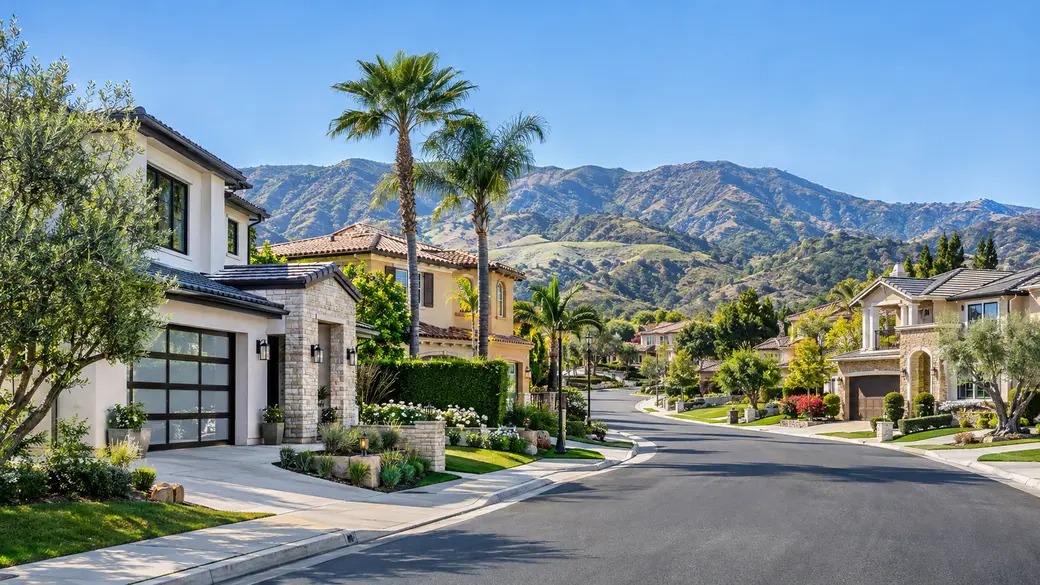
For homeowners in Porter Ranch, a neighborhood in the northwest San Fernando Valley of Los Angeles, renovating is often the better path when the location still works and the home's limitations can be solved within the existing structure, lot, and budget. Moving up is usually the stronger choice when you need a different layout, setting, outdoor space, or long-term fit that renovation cannot realistically create.
The decision comes down to more than whether a project costs less than another home. What matters is what each choice delivers after construction expenses, sale proceeds, moving costs, disruption, and future plans are considered. A thoughtful renovation can make a familiar home function better, while a move can provide features that would be difficult or impractical to build where you are now.
When Renovating Makes Sense
Renovating makes sense when you still value living in Porter Ranch and the improvements you need are achievable without changing the fundamentals of the property.
Start by separating frustrations with the house from frustrations with the location. A dated kitchen, limited storage, awkward room flow, or underused space may be issues that a renovation can address. If the neighborhood, daily routine, access to amenities, and overall setting still suit your household, staying can preserve the parts of homeownership you already enjoy.
Renovation can be particularly practical when the goal is better function rather than dramatically more square footage. Reworking a kitchen, improving storage, updating bathrooms, or making living areas more flexible may improve daily life without the cost and transition of a move.
Before committing, develop a detailed scope and compare more than one contractor estimate. Material choices, design changes, and conditions discovered after construction begins can affect the final cost. Homeowners should also confirm whether plans, permits, or other approvals apply before work starts. The Los Angeles Department of Building and Safety homeowner resources provide information on permits, plan review, and property records.
Porter Ranch properties can vary in lot configuration, community rules, and site conditions. Before planning an addition, major exterior change, or substantial reconfiguration, confirm what is feasible for the specific parcel and whether any homeowners association requirements apply. A project can still be worthwhile because it improves how you live in the home, even if resale return is not the only goal.
When Moving Up Makes Sense
Moving up makes sense when your current home cannot provide the location, lot, layout, or lifestyle priorities you need, even after well-planned improvements.
Some limits are difficult to renovate around. A smaller lot cannot become a larger one, and an interior project cannot change the surrounding setting. If your next home needs more outdoor space, fewer stairs, more privacy, a different floor plan, or a better match for your plans, a move may offer the clearer answer.
For homeowners considering a move-up purchase, define non-negotiables before reviewing available homes. Focus first on features that would materially improve daily life, then separate them from finishes or details that could be changed later. This approach helps prevent a decision based only on surface-level updates.
A move may also be the better solution when a substantial renovation would still leave important compromises. If construction would be extensive, reduce usable outdoor space, or fail to resolve the main reason you are considering a change, compare the investment with available homes that may already have the right foundation.
For downsizers, the same framework applies from the opposite direction. A renovation may help an existing home work more efficiently, but moving can be more practical if the current property requires ongoing upkeep or has space that no longer serves your lifestyle.
Comparing the Costs
The most useful comparison places renovation costs beside the complete financial picture of selling, buying, and moving.
For a renovation, include contractor bids, permits, design work, materials, temporary accommodations when needed, and a reserve for changes that arise during construction. The first estimate is only part of the equation. Consider whether work will happen all at once or in phases, and whether a phased project could create repeated disruption or increase the total cost.
For a move, look beyond the purchase price of the next home. Include expected sale proceeds, the remaining mortgage balance, seller and buyer closing expenses, moving costs, immediate updates to the replacement home, and projected ongoing housing costs. A larger or differently configured property can also bring different maintenance, utility, and insurance needs.
| Cost category | Renovate | Move up |
|---|---|---|
| Primary expense | Construction, materials, permits, and design | Purchase price difference and transaction costs |
| Potential disruption | Noise, dust, limited room access, and schedule changes | Preparing to sell, packing, moving, and settling in |
| Location outcome | Stay in the current neighborhood | Choose a different property or setting |
| Layout outcome | Improve what the existing structure allows | Select a home with a different layout from the start |
| Long-term flexibility | Depends on lot size and home configuration | Depends on the new home's features and future needs |
A helpful exercise is to compare both paths over the period you expect to remain in the home. A renovation that appears costly may be reasonable if it supports many comfortable years in a location you value. A move may be more logical when the proposed work would only delay another transition.
Avoiding Over-Improving for the Neighborhood
Avoiding over-improvement means matching a renovation plan to the level of value and buyer expectations that comparable Porter Ranch homes can support.
Not every upgrade produces the same result at resale. Highly personal choices may be ideal for your own enjoyment, but they may not appeal to the broadest group of future buyers. The objective is to understand whether the planned investment fits the home's likely market position, not to make your home identical to nearby properties.
Reviewing recently sold homes can help frame that comparison. Look for properties with a similar size, age, setting, and overall condition. Notice which improvements appear to support broad buyer appeal and which features may be highly customized.
A renovation should solve a real problem, not simply add expense. Functional kitchen layouts, storage, usable living space, and well-maintained condition often matter to more buyers than unusually specialized finishes. If resale may be part of your decision, compare the home's current position with its likely position after the proposed work is complete.
Time and Disruption
Renovation generally creates concentrated disruption, while moving creates a shorter but more complex transition between two homes.
Construction timelines depend on project scope, contractor availability, required approvals, material lead times, and conditions discovered once work begins. Cosmetic updates may be manageable while you remain in the property, but larger projects can affect kitchens, bathrooms, bedrooms, and primary living spaces. Consider realistically how your household would function while work is underway.
Moving creates a different type of pressure. Preparing a home for sale, organizing possessions, coordinating a purchase, and relocating can make for a demanding period even when the process is well planned. The benefit is that, once the move is complete, you may be living in a home that needs fewer immediate changes.
Ask which disruption is easier for your household to manage. Some owners prefer to stay rooted and tolerate temporary construction. Others would rather make one transition and begin again in a home that already fits their needs.
Questions to Help You Decide
The right renovate-or-move decision becomes clearer when you answer a few practical questions honestly.
- Do you still enjoy the Porter Ranch location, or is the location itself part of the problem?
- Can a renovation solve the main issue rather than only improve its appearance?
- Does your lot and existing structure support the changes you want?
- How long do you expect to stay after renovating or moving?
- What are the complete costs of each option, including disruption and future upkeep?
- Would the renovation create a home you would genuinely want to keep?
- Are you trying to gain features that would be easier to find in another home?
- Does the planned investment align with comparable nearby properties?
Write down the answers before comparing estimates. The choice often becomes more straightforward once you identify whether your dissatisfaction is mainly with the house, the location, or both.
To renovate or move up in Porter Ranch, compare total cost, long-term fit, and the parts of your current home that can or cannot change. If the home can become the place you need without stretching beyond its practical limits, renovation may be worthwhile. If your priorities require a fundamentally different property, moving up may offer a more durable solution.
Not Sure Whether to Renovate or Move?
Get a clear comparison from an agent who works with move-up buyers. Mike Harutunyan, a residential real estate professional with Pinnacle Estate Properties Inc. (California DRE #01353419), is based in Porter Ranch and helps homeowners compare renovation value with what moving up could look like. He also works with downsizers, homeowners relocating outside Los Angeles, and absentee owners. Call or text 818-400-8589 or email mike@homessoldbymike.com to explore your options. The local office is at 20065 Rinaldi St., Suite 210, Porter Ranch, CA 91326.
FAQ
Is it cheaper to renovate or move?
Neither path is automatically less expensive. The better financial fit depends on the project scope, your home's market position, transaction expenses, and the cost of a replacement property, so compare complete scenarios rather than only a contractor quote or purchase price.
Will a renovation increase my home's value?
A renovation can strengthen buyer appeal when it improves function, condition, or broad usability. Results vary by project and neighborhood, so major improvements should fit comparable homes as well as your plans for staying in the property.
Can I over-improve my home?
Yes, upgrades can exceed what future buyers may reasonably pay for similar Porter Ranch properties. Personalized features may still be worthwhile for your own use, but a market comparison can distinguish lifestyle spending from likely resale benefit.
How do I compare the two options?
Create two full plans: one for remaining in the home and improving it, and another for selling and purchasing a better-fitting property. Evaluate the financial difference, disruption, timing, location, and how well each choice supports your future needs.
Categories
Recent Posts