Deciding to Move Up in Granada Hills: How to Know When It's Time to Upgrade
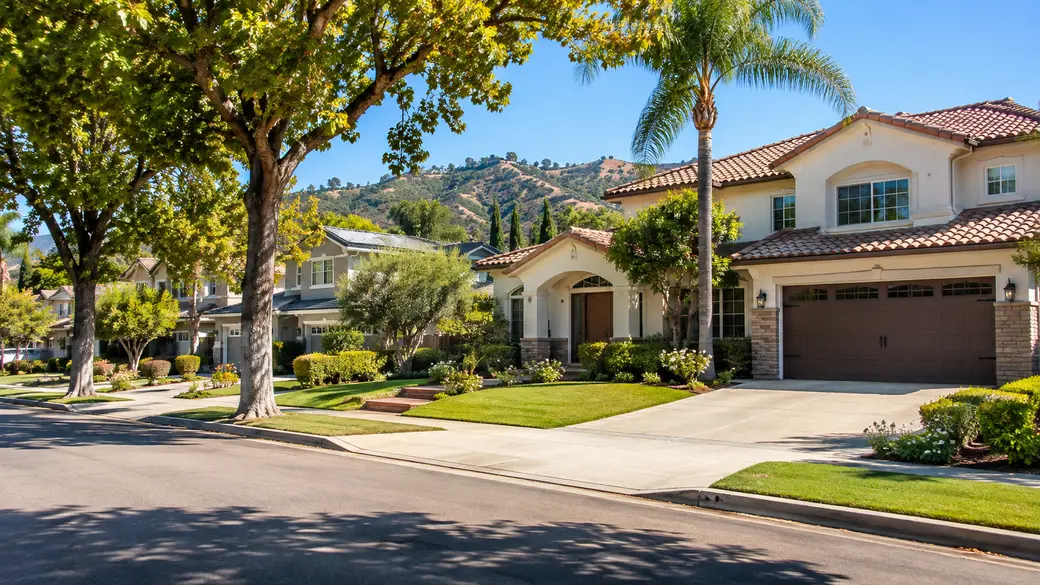
Moving up in Granada Hills, a neighborhood in the San Fernando Valley region of Los Angeles, makes sense when your current home no longer supports your space, lifestyle, or long-term goals, and your equity and budget can support the next purchase. Life changes, and sometimes your home needs to change with it.
For many homeowners, an upgrade is about more than buying a larger property. It can mean gaining a more functional layout, room for a home office, additional outdoor space, or features that make daily routines easier. The decision becomes clearer when you identify what is no longer working, what you need next, and what a sale could contribute to a move-up home in Granada Hills.
What It Means to Move Up
Moving up means buying a home that better fits your household's next stage. That may involve more square footage, additional bedrooms, a larger lot, a different layout, or upgraded finishes and amenities.
An upgrade does not have to mean choosing the biggest home possible. It should mean choosing a property that solves real limitations in your current living situation. A household may need separate work areas, more privacy for relatives, better storage, or a yard that supports everyday routines.
The best move-up decision begins with a clear list of needs versus wants. Needs are features that would materially improve daily life, while wants are upgrades that may be appealing but should not strain your budget or timeline.
Common Reasons Homeowners Upgrade
Homeowners upgrade when their current home no longer matches the way they live. A growing family, a career change, multigenerational living, remote work, and changing lifestyle priorities can all make a different home feel necessary.
Some owners outgrow a smaller floor plan when bedrooms must serve multiple purposes. Others need flexible living areas for work, hobbies, guests, or family gatherings. A larger kitchen, extra bathroom, dedicated office, or usable outdoor area can improve daily function more than an additional room on paper.
Lifestyle goals also matter. You may want more privacy, a better work-from-home setup, or space that can accommodate changing household routines. Identifying those priorities early helps you focus on homes that provide a real improvement rather than an expensive sideways move.
Signs It Might Be Time
It may be time to move up when your home creates recurring limitations that minor changes cannot solve. Feeling crowded, lacking work space, needing another bedroom, or regularly working around an impractical layout are common signs.
In Granada Hills, the question often comes down to how well the home and lot support your routine. The City of Los Angeles' Granada Hills-Knollwood Community Plan emphasizes preserving single-family neighborhoods, hillsides, and open space, which can make lot usability, privacy, access, and the setting around a property important decision factors for an upgrade home in Granada Hills.
Financial readiness is another key signal. If you have built solid equity, maintained stable income, and can carry the higher ongoing costs of a larger home comfortably, an upgrade may be realistic. The decision is stronger when the move supports both present needs and plans for the next several years.
Renovate or Move?
Renovating is often the better choice when your location and basic layout still work for your household. Moving may be the better choice when the property's limitations cannot be solved efficiently through improvements.
A renovation can improve finishes, storage, kitchens, bathrooms, and outdoor areas. It may not, however, create enough square footage, add the right number of bedrooms, improve parking, or produce the layout your household needs. Compare the likely cost, disruption, and long-term usefulness of the work against the cost of selling and purchasing a home that already meets more of your priorities.
Think about what you would still wish were different after the project is complete. If the answer includes lot size, bedroom count, parking, layout, or overall functionality, moving may provide the more complete solution.
Timing Your Move
The right time to move up is when your personal readiness, equity position, and purchase plan align. Market conditions matter, but your timeline, financial comfort, and property goals should lead the decision.
Start by considering how long you have owned your current home and what you may net after selling costs and your remaining loan balance. That estimate can help establish the funds available for a down payment, moving expenses, and a financial cushion after the purchase.
Granada Hills homeowners should also prepare for the coordination required between a sale and a purchase. Your sale timeline and purchase timeline may not line up perfectly, so it helps to consider different approaches before listing or making an offer. For owners who do not live in the home or who plan to leave Los Angeles, confirming the sale timeline and estimated net proceeds early can make the transition more manageable.
What Kind of Upgrade Fits You
The right upgrade improves the parts of homeownership that matter most to you. More space is a common priority, but a better home can also mean a dedicated office, a more useful yard, added privacy, or a layout that supports multigenerational living.
Make a short list of non-negotiables before looking at homes in the neighborhood. Consider the number of bedrooms and bathrooms, parking, storage, outdoor space, work areas, and the layout that would make daily routines easier. Then identify which features are flexible.
Prioritize a home that can cover your likely needs for the next three to five years, especially in bedroom count, work space, storage, and daily traffic flow. This approach can help you avoid another move sooner than expected.
What to Do with Your Current Home
Most homeowners moving up sell their current home and use the proceeds toward the next purchase. Selling can simplify the financial picture by converting available equity into funds for the next down payment and reducing the responsibility of carrying two properties.
Keeping the home as a rental can work for owners with sufficient reserves, a long-term ownership strategy, and the willingness to manage another property. That option should account for vacancy periods, maintenance, carrying costs, and the effect that retaining the home could have on the budget for your next purchase.
| Consideration | Sell Your Current Home | Keep It as a Rental |
|---|---|---|
| Best fit | You want to use equity for the next purchase | You want to retain a long-term property asset |
| Funds for next home | Sale proceeds may support the down payment and moving costs | More cash may need to remain available for the next purchase |
| Ongoing responsibility | One property after the move | Continued maintenance, tenant, and vacancy responsibilities |
| Main risk | Timing the sale and purchase | Carrying costs and management demands if income is interrupted |
The choice should reflect your financial goals and comfort with ongoing responsibility, not only the idea of holding another asset. For many move-up homeowners, selling creates a cleaner and more predictable path forward. Estimating sale proceeds can help clarify the budget space available for your next move.
Understanding Your Equity and Budget
Your equity and budget determine how much flexibility you have when moving up in Granada Hills. Equity is generally the difference between your home's current market value and the amount you still owe on your loan.
For local context, the median sold price in Granada Hills was about $1,000,000 in the six months through September 2026. In late summer 2026, median list prices for larger homes ranged from about $1.08 million for a four-bedroom home of roughly 1,800 square feet, to about $1.25 million for a four-bedroom home of roughly 2,400 square feet, to about $1.6 million for a five-bedroom home near 3,000 square feet.
A useful move-up budget considers more than the price of the next home. It should account for the funds released by your sale, expected monthly housing costs, and reserves that remain after the purchase. The goal is to choose a price range that feels sustainable, not merely possible.
| Budget Item | What to Consider |
|---|---|
| Expected sale proceeds | Estimated value, remaining loan balance, and selling expenses |
| Down payment | The amount you plan to apply to the next purchase |
| Monthly housing cost | Principal, interest, property taxes, insurance, and applicable association costs |
| Moving and setup costs | Movers, utility changes, furnishings, and immediate updates |
| Financial reserves | Funds retained for repairs, unexpected costs, and routine household needs |
Begin with a realistic estimate of your current home's value, then subtract the remaining loan balance and anticipated selling costs. From there, compare what different purchase prices could mean for your monthly payment and overall financial comfort.
A complete budget should also leave room for maintenance, repairs, utilities, and savings goals. The Consumer Financial Protection Bureau offers guidance on figuring out how much to spend, while the California Department of Real Estate provides consumer guides and publications for homeowners preparing for a sale and purchase.
A clear budget gives you more confidence when evaluating homes. Instead of reacting to every appealing feature, you can focus on opportunities that fit your priorities and support your next stage of homeownership.
Moving Up in Granada Hills Starts with a Clear Plan
Moving up in Granada Hills is easier when you understand what is driving the change, what your current home may contribute, and what type of next home will truly improve daily life. Your path may involve selling first, coordinating both transactions, or preparing before entering the market.
Mike Harutunyan, a residential real estate professional with Pinnacle Estate Properties Inc. (California DRE #01353419), can help Granada Hills homeowners evaluate a move-up sale, clarify equity and timing, and create a practical plan for the next home. He also works with homeowners relocating outside Los Angeles and absentee owners coordinating a sale remotely. Call or text 818-400-8589 or email mike@homessoldbymike.com.
Before listing, prepare an estimated net-proceeds figure, a target purchase range, and a backup plan for timing gaps between the sale and purchase.
What to prepare before making a move-up decision:
- An estimate of your current home's value, loan balance, and potential sale proceeds
- A target purchase range based on a comfortable monthly housing cost
- A clear list of must-have features for your next home
- A plan for potential timing gaps between selling and buying
FAQ
How do I know if I'm ready to move up?
You may be ready to explore an upgrade when your current home repeatedly falls short on space, layout, location, or daily functionality and your finances can support a higher housing commitment. Consider your household needs, available equity, desired price range, and comfort with ongoing costs before deciding.
How much equity do I need to move up?
There is no single equity amount required for every move-up purchase. The right amount depends on your next home's price range, remaining loan balance, expected selling costs, and financing approach. More equity can provide flexibility, but a sustainable overall budget matters most.
Should I sell or buy first?
Selling first often gives you a clearer understanding of the funds available for your next home. Buying first may offer flexibility when a suitable property appears, but it requires sufficient reserves and comfort with the possibility of overlapping ownership costs.
Is moving up worth giving up a low interest rate?
Giving up a lower rate can still make sense when the next home provides enough practical and lifestyle value to justify the higher overall cost. Compare the total monthly payment, long-term budget, and daily usefulness of the upgrade rather than evaluating the interest rate alone.
Categories
Recent Posts